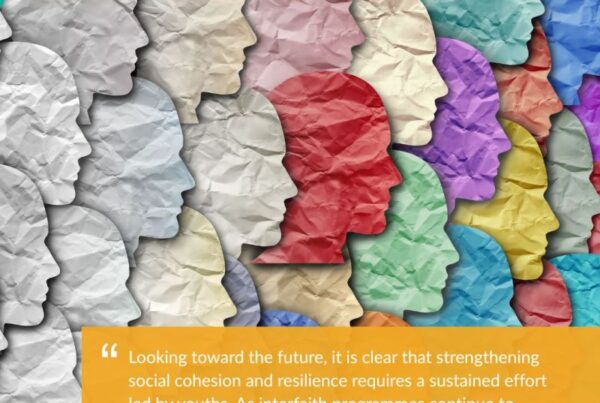
If you only listen to the news or scrolled social media, you might think America is coming apart at the seams. The narrative of division; political, religious, racial is loud, persistent, and reinforced daily. But the truth I’ve witnessed on the ground in Massachusetts, especially in interfaith spaces with youth, tells a different story. One that’s not only more hopeful, but more accurate.
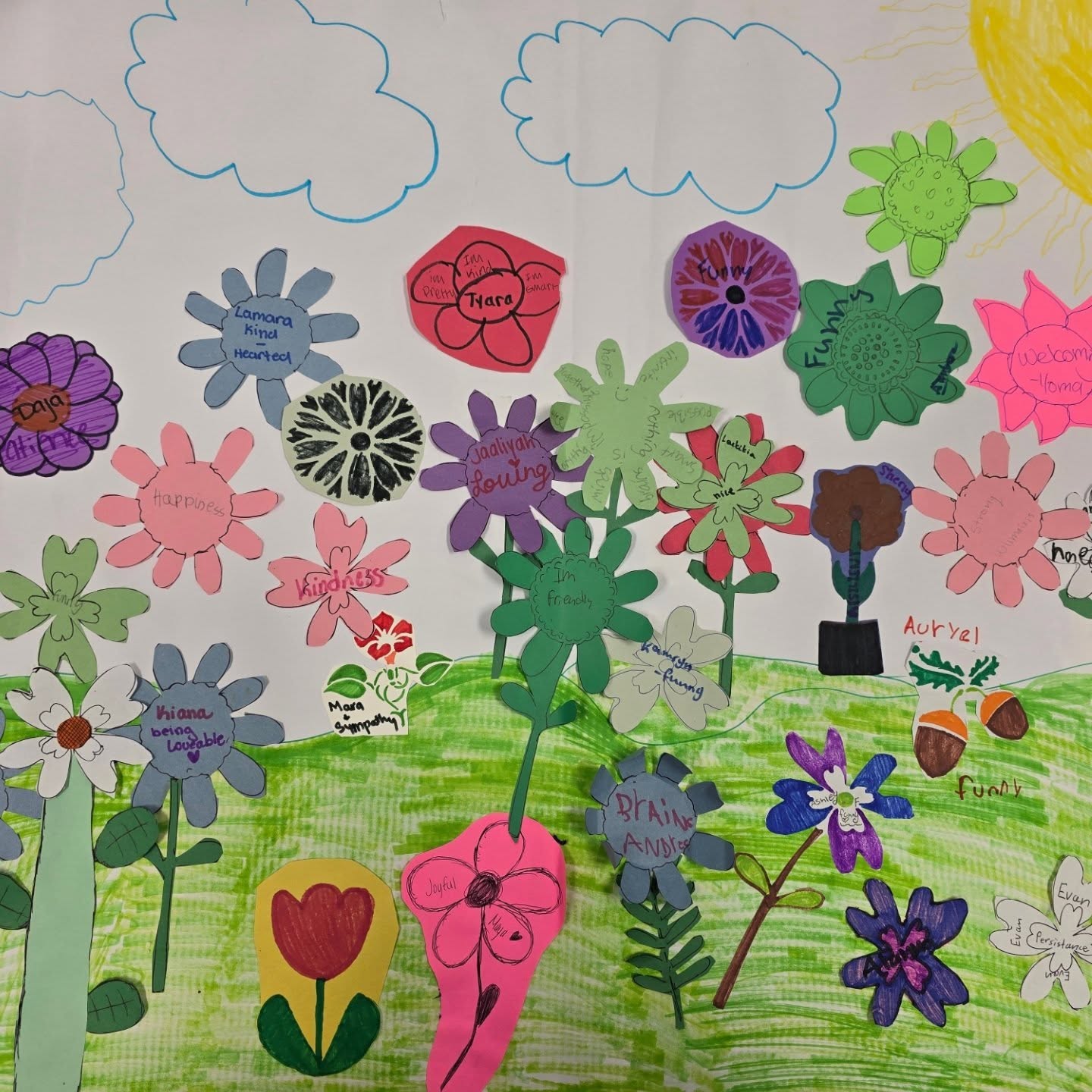
At Mosaic: Interfaith Youth Action , we bring together young people across religious and cultural lines. And I’ve seen firsthand the kind of quiet, courageous unity that doesn’t make headlines. I’ve watched a young Christian student stand up to Islamophobia in his CCD class, challenging the assumptions of those in power with conviction and compassion. I’ve seen diverse groups of teens work side by side on community murals and cooking projects, blending their traditions into something wholly beautiful and new. I’ve seen youth from across Greater Boston; Black, white, Latinx, Arab, Jewish, Christian, Muslim, atheist come together not in protest of one another, but in service to one another.
It’s in these moments of art, dialogue, and service that I see the true spirit of this country. These aren’t abstract ideals, they’re lived values, and they’re happening all around us.
As Carnegie Corporation of New York recently pointed out, research consistently shows that Americans are not as divided as we think we are. Yes, hate crimes are rising. Antisemitism and Islamophobia are on the rise. Misinformation runs rampant online. Political rhetoric continues to pit neighbors against one another. But many of us still believe in pluralism, in cooperation, in the value of showing up for one another. The problem isn’t just division, it’s the illusion of division, fed by sensationalism, misinformation, and rhetoric that benefits from keeping us apart.
We cannot let that illusion dictate our reality.
Stand Together reminds us that “America’s future depends on our ability to work through our differences.” And I would argue that it also depends on our willingness to see through the fog of partisanship to the real, messy, beautiful work of relationship-building. It is slow work. It is deeply human work. But it is the only way forward.
The young people I work with aren’t looking to tear each other down. They’re hungry to learn from one another, to ask difficult questions, and to build something bigger than themselves. They don’t want to be foot soldiers in someone else’s culture war. They want to cook meals together, clean up parks together, and change the world together.
Let’s stop feeding the narrative that we’re broken beyond repair. We’re not. Let’s invest in the spaces, especially youth spaces, that are already building bridges. Let’s amplify the quiet courage of a teenager who says, “That’s not okay” in the face of hate. Let’s celebrate the beauty that emerges when faiths and cultures collaborate in kitchens, on canvases, and in neighborhoods.
We’re not as divided as we think we are. And that’s not just good news…it’s a call to action.